





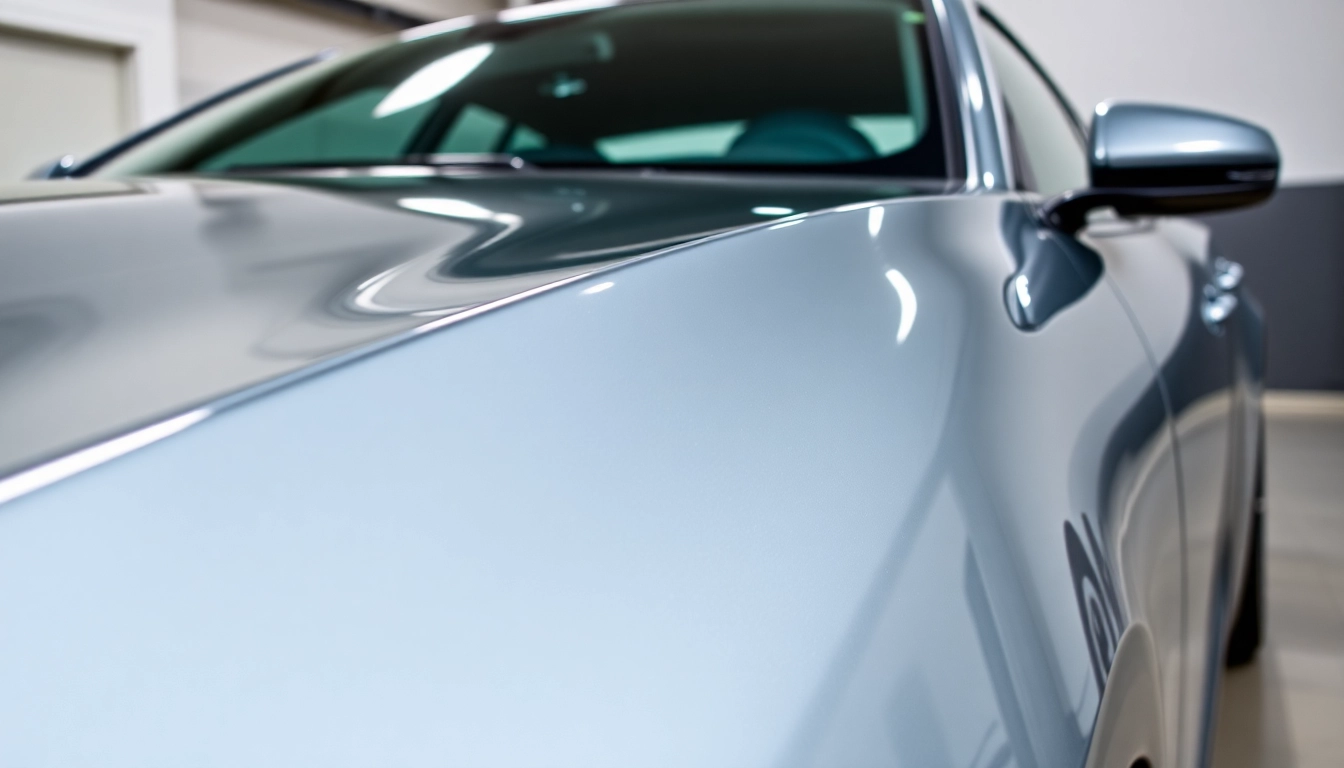
Understanding Paint Protection Film Near Me
What is Paint Protection Film?
Paint protection film (PPF) is a thermoplastic urethane film designed to protect a vehicle’s exterior surface from various environmental hazards. Unlike traditional wax or sealants, PPF offers a durable physical barrier against scratches, chips, contaminants, and stains. It is applied directly to the paint surface, making it practically invisible while preserving the vehicle’s aesthetics. The film is commonly used on various parts of vehicles, including hoods, bumpers, fenders, and mirrors, providing a robust layer of protection without altering the vehicle’s appearance. For those searching for quality options, considering paint protection film near me can yield efficient solutions.
Benefits of Using Paint Protection Film
The benefits of employing paint protection film extend beyond mere aesthetics. Here are some of the key advantages:
- Enhanced Protection: PPF is engineered to withstand abrasions and impacts, ensuring your vehicle’s paint job remains intact even in harsh conditions.
- UV Resistance: Many films are UV resistant, which helps prevent fading, dulling, or discoloration caused by sun exposure.
- Self-Healing Properties: Certain advanced PPF types have self-healing capabilities, allowing minor scratches and swirl marks to vanish under heat.
- Improved Resale Value: By keeping the original paint in pristine condition, PPF helps maintain your vehicle’s resale value.
- Ease of Maintenance: PPF can be cleaned like any other part of the vehicle, allowing for easy maintenance without special products.
Common Myths about Paint Protection Film
Despite its proven benefits, several myths circulate regarding paint protection film. Addressing these misconceptions helps potential users make informed decisions:
- Myth 1: PPF is noticeable and affects the car’s appearance.
Reality: Quality films are designed to be clear and virtually undetectable once applied correctly. - Myth 2: PPF is prone to yellowing over time.
Reality: Modern films feature UV-resistant properties and specialized coatings to minimize yellowing. - Myth 3: It will peel off easily.
Reality: Properly installed PPF adheres securely to surfaces and is designed to last for years. - Myth 4: PPF is too expensive for the benefits it provides.
Reality: When considering the long-term benefits in terms of protection and resale value, PPF is cost-efficient.
Choosing the Right Paint Protection Film for Your Vehicle
Factors to Consider Before Application
Selecting the ideal paint protection film involves evaluating several factors to ensure compatibility with your vehicle’s requirements. Consider the following:
- Vehicle Usage: If you frequently drive in harsh conditions or on gravel roads, a thicker and more durable film may be best.
- Climate: Choose films with UV resistance if you live in an area with a lot of sun exposure to prevent paint fading.
- Type of Finish: For high-gloss finishes, opt for clear films that enhance shine without compromising the look.
- Budget: Set a budget that aligns with your needs; while higher-quality films provide excellent protection, there are varying price points available.
Comparing Options: Thickness and Durability
When comparing different PPF options, thickness plays a vital role in durability:
- Standard Thickness: Generally, a thickness of 6 to 8 mils is common for everyday protection. These films offer adequate defense against most hazards.
- Heavy-Duty Thickness: Films that are 10 mils or thicker provide enhanced protection and are often used for off-road vehicles or those subjected to severe conditions.
- Performance Films: Many brands offer specialized formulas that can even resist extreme impacts, while also providing self-healing features.
Custom vs. Pre-Cut Patterns
Deciding between custom and pre-cut film patterns depends on personal preference and specific vehicle needs:
- Custom Patterns: These are designed and cut to fit the unique contours of your vehicle, ensuring comprehensive protection even in challenging spots.
- Pre-Cut Patterns: Offered as kits, these are usually less expensive and easier to apply but may not always account for all unique vehicle contours perfectly.
Application Process of Paint Protection Film Near Me
DIY Application vs. Professional Installation
When it comes to applying paint protection film, you have two main options: DIY or professional installation. While DIY applications can save costs, professional installation usually ensures a flawless finish:
- DIY Application: This is suitable for those with some experience and confidence in their skills. However, challenges like alignment and air bubbles can occur.
- Professional Installation: Experts can ensure a perfect application, minimizing potential mistakes and ensuring longevity.
Essential Tools and Materials
Should you opt for a DIY approach, having the right tools is essential for proper installation:
- Spray bottle with soap and water mixture
- Plastic squeegee for smoothing
- Heat gun or hairdryer for warming the film
- Utility knife for trimming
- Clean microfiber cloths for surface preparation
Step-by-Step Guide for Installation
For those who wish to proceed with DIY installation, follow these steps for proper application:
- Clean the Surface: Thoroughly wash and dry the vehicle’s surface to ensure no contaminants are present.
- Prepare the Film: Measure and cut the film, allowing extra material for adjustments.
- Apply Slip Solution: Spray the application area with a soapy water solution to help position the film.
- Position and Secure: Place the film onto the vehicle and use the squeegee to push out air bubbles.
- Heat to Set: If applicable, use a heat gun on low settings to conform the film to any edges and contours.
- Trimming: Carefully trim any excess film using the utility knife.
- Final Inspection: Inspect for bubbles or imperfections, and ensure all edges are secure.
Maintaining Your Paint Protection Film
Best Practices for Cleaning and Care
To maximize the longevity of your paint protection film, implementing proper care routines is crucial:
- Regular Washing: Use a gentle pH-neutral soap and avoid abrasive materials when washing.
- Avoiding Hard Water: Hard water can leave spots; use a soft towel to dry any excess water after washing.
- Immediate Cleanup: Wipe off bird droppings, tree sap, and other contaminants promptly to avoid damage.
Signs of Damage and How to Address Them
Regular inspections can help catch issues before they worsen. Look for:
- Raised edges or peeling
- Cracks or scratches in the film
- Cloudiness or discoloration
If you notice any damage, it’s best to consult a professional for repair or replacement options to ensure the integrity of the film and underlying paint is maintained.
Longevity Expectations and Warranty Coverage
The longevity of paint protection film typically ranges from 5 to 10 years, depending on factors such as quality and maintenance. Most reputable manufacturers offer warranties covering defects or yellowing for the duration of the film’s expected life. Always check the warranty details before purchase to understand the protections and limitations provided.
Frequently Asked Questions
Is Paint Protection Film Worth the Investment?
Yes, paint protection film helps maintain your vehicle’s appearance and resale value by protecting it from scratches, chips, and stains.
How Long Does Paint Protection Film Last?
Typically, paint protection film lasts between 5 to 10 years, depending on the quality of the film and maintenance conditions.
Can You Remove Paint Protection Film?
Yes, paint protection film can be removed, often without damaging the underlying paint if done correctly.
Will Paint Protection Film Yellow Over Time?
High-quality films are designed to resist yellowing; however, exposure to harsh conditions can impact their clarity over time.
How Do You Care for Paint Protection Film?
Regular maintenance includes washing with pH-neutral soap and avoiding abrasive materials to keep the film in prime condition.




More Stories
Top 10 Innovative Vehicles Enhancing Your Daily Commute