





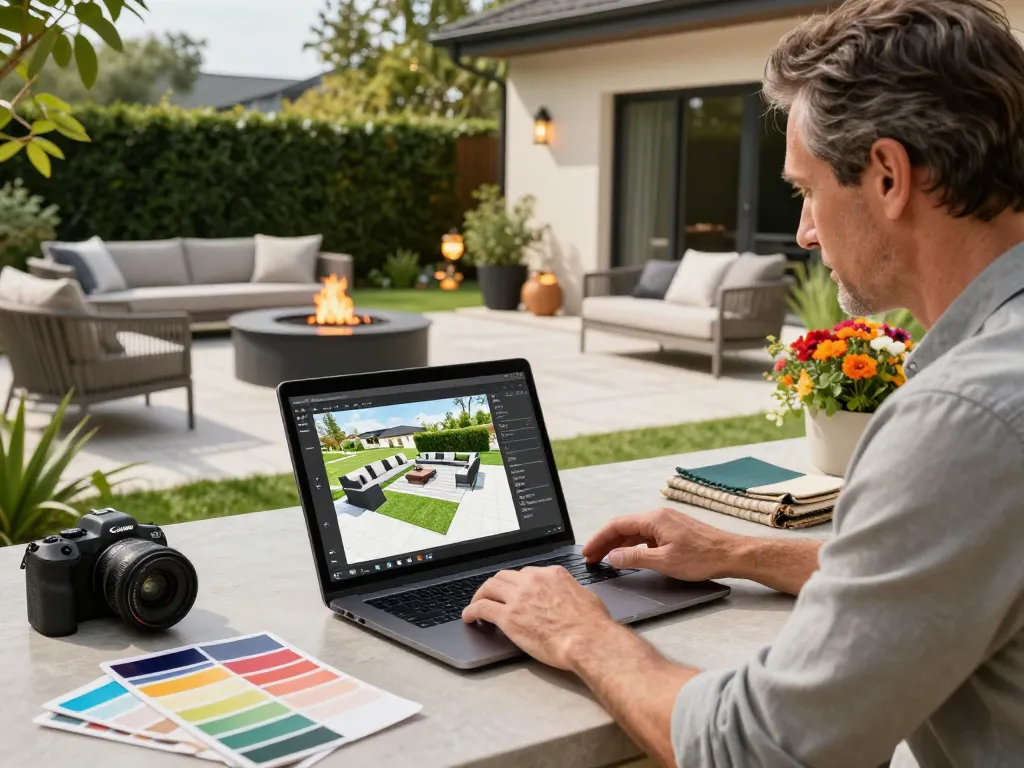
Understanding the Configuratore 3D Outdoor Concept
The rise of digital technology has transformed many industries, and outdoor design is no exception. One groundbreaking advancement is the configuratore 3D outdoor, a powerful tool that allows users to visualize and customize outdoor spaces in real-time. This article provides an in-depth exploration of what 3D outdoor configurators are, their key features, benefits, and how they enhance outdoor design projects.
What is a Configuratore 3D Outdoor?
A configuratore 3D outdoor is a web-based application that enables users to create and manipulate three-dimensional models of outdoor spaces. These tools typically allow for the adjustment of various design elements, including furniture, landscaping, colors, and textures, giving users the ability to see how different combinations come together. By providing a virtual environment to play with, configurators help homeowners, designers, and landscape architects to refine their visions before executing them in the real world.
Key Features and Benefits of 3D Outdoor Configurators
3D outdoor configurators are equipped with features that elevate the design process. Some of these key features include:
- Real-Time Visualization: Users can instantly see changes made to the design, enhancing their decision-making process.
- Customizable Options: From colors to materials, configurators provide an extensive range of choices, ensuring personalization.
- User-Friendly Interface: Many tools are designed with ease of use in mind, making them accessible even to beginners.
- Integration with AR and VR: Some configurators allow users to view designs through augmented or virtual reality, providing a more immersive experience.
These features collectively enhance the design experience, allowing for creativity and reducing the time spent on alterations during the execution phase of outdoor projects. When exploring options, configuratore 3D outdoor provides comprehensive insights into the best practices for utilizing these tools effectively.
How Configurators Enhance Outdoor Design Projects
Outdoor projects often involve significant investment, both financially and emotionally. Configurators help mitigate risks by allowing users to visualize potential outcomes before committing to a specific design. Here are a few ways they enhance outdoor design projects:
- Enhanced Collaboration: Designers and clients can discuss ideas in real-time, leading to better understanding and faster consensus.
- Reduced Errors: Visualizing the design helps identify potential issues early on, such as incorrect dimensions or mismatched elements.
- Increased Satisfaction: Clients are more likely to be satisfied when they can actively participate in the design process and see their ideas come to life.
Getting Started with the Configuratore 3D Outdoor
Starting with a 3D outdoor configurator is an exciting journey that can transform how you approach outdoor design. Whether you are a novice looking to design your patio or a professional landscape architect, there are several essential steps to consider.
Choosing the Right Tool for Your Outdoor Needs
With numerous 3D configurators available, it’s crucial to select one that aligns with your specific needs. Consider factors such as:
- User Experience: Look for tools with intuitive interfaces that are easy to navigate.
- Features Offered: Ensure that the configurator includes the features necessary for your design—like plant libraries, furniture options, or landscaping tools.
- Cost: Some configurators are free while others require a subscription; evaluate what fits your budget while meeting your needs.
Essential Steps to Begin Your 3D Outdoor Design
Once you have chosen the right tool, begin your design process by following these steps:
- Define Your Space: Measure the area you intend to design to create an accurate representation in the configurator.
- Explore Design Options: Start with templates or blank canvases and explore different design styles and layouts.
- Customize Elements: Incorporate your personal style by selecting colors, materials, and furniture arrangements that reflect your aesthetic.
- Review and Iterate: Make adjustments based on your preferences, and don’t hesitate to experiment with various configurations until you are satisfied.
Common Challenges When Using 3D Configurators
While 3D configurators offer numerous advantages, they also come with their share of challenges. Users often face:
- Technical Issues: Software glitches and compatibility issues may occur, especially with older computers or devices.
- Learning Curve: New users may find it overwhelming to navigate complex tools and features.
- Overcomplication: Users may get carried away with options, making it difficult to finalize a decision.
Designing with the Configuratore 3D Outdoor
The actual process of designing with a 3D configurator is where creativity shines. This section will guide you through best practices and strategies for creating functional and aesthetically pleasing outdoor spaces.
Best Practices for Creating Functional Outdoor Spaces
Designing a functional outdoor space goes beyond aesthetics; it’s about ensuring usability and comfort. Here are some best practices:
- Consider Flow: Plan pathways and access points to promote easy navigation throughout the space.
- Include Varied Heights: Layering elements at different heights creates visual interest and depth. Use trees, shrubs, and garden beds wisely.
- Focus on Comfort: Incorporate seating areas and shaded spots to promote relaxation and enjoyment.
Incorporating Aesthetic Elements into Your Design
Aesthetic appeal is crucial for outdoor spaces, and 3D configurators help visualize various design choices. Focus on:
- Color Schemes: Choose colors that complement your home and the natural surroundings.
- Textural Variety: Mix materials like wood, stone, and metal to create a dynamic and engaging environment.
- Artistic Features: Consider adding decorative elements such as sculptures, water features, or lighting to elevate the design.
Case Studies: Successful Configuratore 3D Outdoor Implementations
Examining successful implementations can offer inspiring insights. For instance:
- Residential Garden Renovation: A family used a 3D configurator to transform a bland backyard into a lush garden retreat. By experimenting with plant types and seating arrangements, they created a personalized oasis.
- Commercial Landscape Project: A landscaping firm utilized a configurator to present design proposals to clients, allowing for modifications in real-time and ultimately resulting in higher client satisfaction and more signed contracts.
Advanced Techniques for Using 3D Outdoor Configurators
For users seeking to enhance their skills, this section outlines advanced techniques for maximizing the utility of 3D outdoor configurators.
Customizing with Advanced Features and Tools
Many configurators come with advanced features that go beyond basic customization. Users should explore:
- Layering Options: Use layering to manage how different elements interact and overlap.
- Environmental Adjustments: Modify lighting, shadows, and weather conditions to see how your design appears in various scenarios.
- Material Simulation: Experiment with realistic simulations of materials to assess how they will look in natural light.
Integrating Landscaping Elements into Your Design
Landscaping plays a critical role in outdoor design. Utilize the configurator to:
- Add Plant Varieties: Experiment with different plants to understand their placement and growth potential in your design.
- Design Hardscaping: Incorporate pathways, patios, and walls to define spaces and improve accessibility.
- Simulate Seasonal Changes: Visualize how your outdoor space will change through the seasons, helping you plan for color and greenery all year round.
Evaluating and Improving Your Design with Feedback
Feedback is vital for design improvement. Share your configurations with friends, family, or professional designers to gain different perspectives. Use their insights to:
- Identify Weak Points: Determine any design flaws or elements that may not function well together.
- Create Multiple Versions: Generate alternative designs based on feedback to ensure all aspects are considered.
- Refine Aesthetics: Ask for opinions on color combinations and layout to enhance visual appeal.
Future Trends in 3D Outdoor Configurator Technology
As technology evolves, so do the capabilities of 3D outdoor configurators. Understanding future trends can prepare you for upcoming innovations in design tools.
Emerging Technologies Shaping the Design Landscape
The integration of emerging technologies, such as artificial intelligence and machine learning, is transforming how configurators function. These advancements are paving the way for:
- Personalized Recommendations: AI can analyze user preferences and past projects to suggest optimal design choices.
- Dynamic Simulations: Future configurators may offer real-time environmental simulations, allowing designs to adapt to changing weather or lighting conditions.
- Collaboration Platforms: Enhanced collaboration features will facilitate shared projects across different professionals, fostering creative synergy.
Predictions for Configurator Innovations in 2026
Looking ahead, we can anticipate exciting innovations by 2026, such as:
- Greater Realism: Advancements in graphics technology will make virtual designs more lifelike and immersive.
- Increased Automation: Configurators may include automated design suggestions based on current trends and styles, simplifying user input.
- Mobile Accessibility: Improvements in mobile technology will enable users to design on-the-go, making these tools even more accessible and convenient.
Preparing for the Future of Outdoor Design
To stay ahead in outdoor design, users should engage with new technologies and continue to practice using 3D configurators. Regularly update your knowledge about trends and software updates to ensure that you utilize the latest tools effectively. Networking with other designers can also provide insights into best practices and innovative design approaches.
What are the benefits of using a configuratore 3D outdoor?
Using a configuratore 3D outdoor allows users to visualize their space in real time, offering a greater understanding of how design choices impact the overall aesthetics and functionality of the environment. It reduces costly mistakes, enhances communication between clients and designers, and elevates the overall design experience.
Can I use a configuratore 3D outdoor for free?
Many configurators offer free versions with basic functionalities. However, advanced features typically come with a subscription or one-time fee. Always explore free trials to determine if a configurator meets your needs before committing financially.
What features should I look for in a configuratore 3D outdoor?
Key features to consider include real-time rendering, customizable templates, a library of materials and plants, intuitive user interface, and compatibility with mobile devices. Additionally, look for user support and community forums for troubleshooting and inspiration.
Are there specific tools recommended for beginners?
Beginners may benefit from simpler, user-friendly configurators like SketchUp or HomeByMe, which provide guided tutorials and straightforward interfaces. These options help newcomers understand the basics of design without overwhelming complexity.
How can I enhance my outdoor design using a configuratore?
To enhance your outdoor design, utilize the configurator’s library of elements to experiment with layouts, colors, and materials. Regularly solicit feedback, and be open to adjusting your design as you explore different possibilities. This iterative process allows for a more refined final result.




More Stories
Masterful Guide: We Fix Fences and Build Fences Effectively in 2026
Comprendere i Coleotteri del Legno: Strategie Efficaci per Identificazione e Controllo nel 2026
Top 10 Essential Tips for a Beautiful Home and Garden