Understanding Fence Repair and Installation
Fences serve not only as property boundaries but also enhance the aesthetic appeal and security of our homes. As the seasons change and time wears on, even the sturdiest fences may require maintenance or replacement. Understanding how to effectively maintain and build fences ensures that your outdoor space remains safe and visually pleasing. When it comes to reliable fencing solutions, We fix fences and build fences offers comprehensive insights into both repair and installation processes. This guide will equip you with the knowledge to navigate your fencing needs, ensuring your property remains well-defined and secure.
Why We Fix Fences and Build Fences?
The primary goal of fixing and building fences is to create a safe and attractive perimeter for your property. Fences can protect your space from intrusions, provide privacy, and enhance the overall value of your home. Regular maintenance and timely repairs prevent further deterioration and costly replacements. Furthermore, new fence installations can significantly improve curb appeal and adapt to evolving design preferences. Understanding the reasons behind these needs can help property owners make informed decisions about maintenance and new constructions.
Common Types of Fences and Their Uses
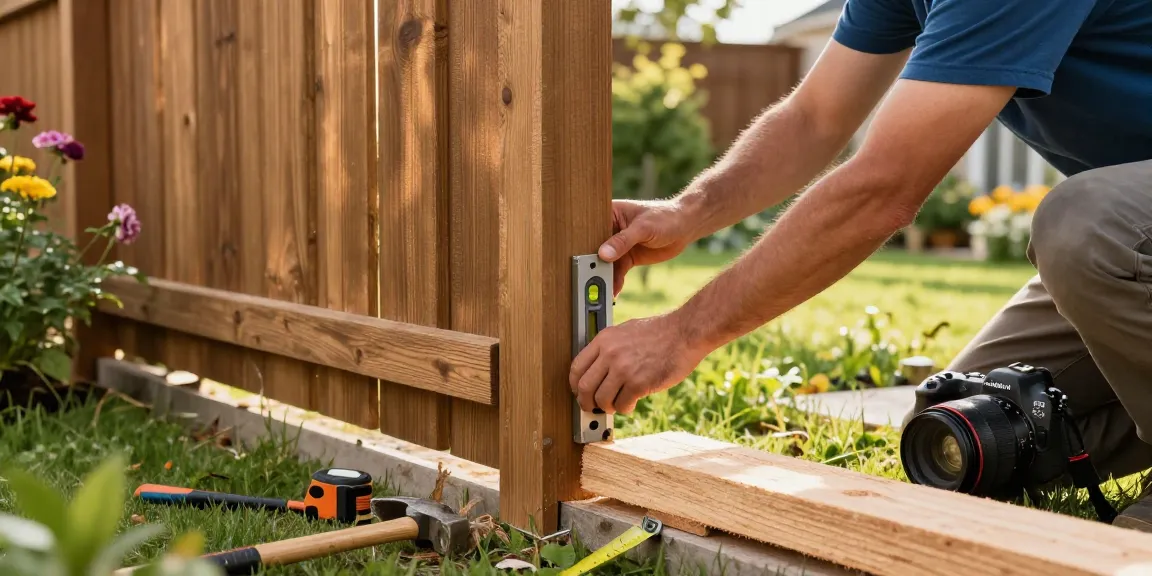
- Wood Fences: Classic and versatile, wood fences provide a natural look. They are perfect for privacy and can be painted or stained to match your home.
- Vinyl Fences: Durable and low maintenance, vinyl fences resist weather conditions and pests, making them an excellent long-term investment.
- Chain Link Fences: Ideal for security without obstructing visibility, chain link fences are often used in commercial areas but can also serve residential purposes.
- Aluminum Fences: Offering a decorative appeal with the benefits of durability and low maintenance, aluminum fences are perfect for pool areas and gardens.
- Composite Fences: Combining wood and plastic for durability and aesthetic appeal, composite materials are resistant to fading, rotting, and warping.
Material Considerations for Durability
Choosing the right materials is crucial for the longevity of your fencing structure. Wood, while aesthetically pleasing, requires regular maintenance to prevent rot and insect damage. Vinyl is a strong contender for minimal upkeep, yet it can be susceptible to cracking in extreme conditions. Chain link can last a lifetime if properly maintained but lacks privacy features. Evaluating your local climate, desired aesthetics, and purpose will help you select the ideal material for your fencing project.
Assessing Your Fence Repair Needs
Identifying the right time for repairs can save you money and effort in the long run. Regular inspections can reveal underlying issues before they escalate into more significant problems. Noticing signs of deterioration such as leaning posts or broken boards is a critical part of maintaining your fence. Here are some strategies for assessing your repair needs effectively.
Signs Your Fence Needs Repair
- Visible Damage: Look for broken or missing boards, bent frames, or rust on metallic fences.
- Leaning or Instability: If sections are leaning or wobbling, this often points to rotting posts or poor installation.
- Pest Infestation: In wooden fences, termite damage or other pest problems can compromise structural integrity.
- Weather Effects: Extreme weather can warp or damage materials; check for discoloration, cracking, or signs of rot.
Visual Inspection Techniques
Engaging in visual inspections at least twice a year will help catch any damage early. During your inspection, check both the exterior and interior sides of the fence for signs of decay. It can also be beneficial to examine the posts firmly in the ground, ensuring they are stable and free of corrosion. With careful attention, early issues can be addressed before they escalate into costly repairs.
Evaluating Cost vs. Benefits of Repair
When faced with fence damage, evaluating whether to repair or replace can be challenging. Minor repairs, such as replacing a few boards or posts, will generally cost between $150 to $300—a fraction of the cost of complete replacement. However, extensive damage may necessitate replacement, which can range from $1,000 to $1,500 or more, depending on material and labor costs. Consider reaching out to professionals for estimates to inform your decision-making process.
Steps to Build a New Fence
The process of building a new fence can be broken down into manageable steps, from planning and acquiring permits, to the final installation. Proper preparation will ensure your project runs smoothly and adheres to local regulations.
Planning and Permits for Fencing Projects
Before starting any physical work, it’s crucial to assess property lines and local regulations regarding fencing. Many areas require permits for new installations, particularly if the fence exceeds a certain height or if construction is closer to sidewalks or streets. Check with your local zoning office to ensure compliance, which can save you from potential legal issues.
Choosing the Right Materials and Tools
Understanding the materials available for building your fence is fundamental for achieving the desired durability and aesthetic. Gather all necessary tools, such as post-hole diggers, levels, and saws, before starting your build. Having everything on hand will minimize delays during the installation process.
DIY vs. Hiring Professionals
While many homeowners might consider a DIY approach to save costs, evaluating your skill level and the complexity of the project is crucial. For straightforward installations, DIY can be rewarding and cost-effective. However, hiring professionals ensures expertise, efficiency, and adherence to local codes, which can provide peace of mind.
Best Practices for Fence Maintenance
Once your fence is installed, maintaining it is key to ensuring longevity and minimizing repair costs. Establishing a regular maintenance routine can help you keep your fence looking its best while protecting your investment.
Regular Maintenance Tips for Longevity
- Clean Regularly: Use a mild soapy water solution to wash vinyl and aluminum fences, while wood fences may need specific cleaners to prevent mold and algae.
- Inspect Periodically: Conduct thorough inspections of your fence at least twice a year, looking for signs of damage or wear.
- Seal and Stain: For wooden fences, applying a sealant or stain can prevent moisture-related damage.
Seasonal Considerations in Fence Care
Different seasons introduce unique challenges for fence maintenance. In spring, focus on inspecting for winter damage, while summer’s heat may require more frequent checks for signs of wear. During autumn, remove leaves and debris that can trap moisture and lead to rot, and in winter, ensure snow doesn’t accumulate against fence structures which can lead to bending or breaking.
Updating Your Fence Aesthetic
Updating your fence’s aesthetic can enhance your home’s overall appeal. Consider repainting wood fences or adding decorative elements like lattice or trellises. Additionally, maintaining your landscaping around the fence can create a visually cohesive outdoor space.
Future Trends in Fencing Solutions
As technology and design evolve, the fencing industry is also changing. Staying informed about trends can help you make modern, practical choices for your fencing needs.
Innovative Materials and Sustainable Practices
Increasingly, homeowners are gravitating towards sustainable materials that minimize environmental impact. Options such as recycled composite materials offer durability alongside eco-friendliness. Innovations in wood treatment processes are also enhancing the lifespan of wooden fences and reducing the need for frequent replacements.
Smart Fencing Technologies for 2026
Smart fencing technology is on the rise, with features like automatic gates and integrated security systems. These advancements not only enhance safety but also add convenience to your daily life. Installation of smart technology within your fencing can help monitor changes and enhance your security effortlessly.
Expert Predictions on Landscaping Integration
Experts predict a growing trend of integrating fences with landscaping designs, blurring boundaries between structure and nature. This allows for more creative designs that encourage a harmonious flow between indoor and outdoor living spaces. Think about how your fence can complement garden features or align with outdoor living spaces that enhance enjoyment and aesthetics.