





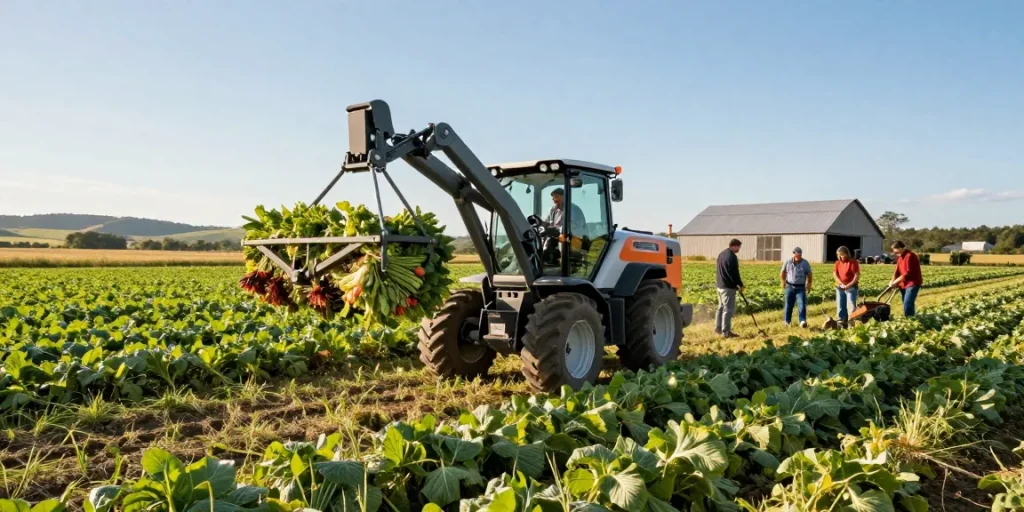
Understanding Electric Farm Loaders
As the agricultural industry continues to adapt to modern demands, electric farm loader have emerged as a game-changing technology. These innovative machines are designed to perform a variety of tasks on farms, from lifting heavy loads to transporting materials efficiently. With their advanced engineering and eco-friendly design, electric farm loaders are proving to be indispensable tools for maximizing productivity while minimizing environmental impact.
What is an Electric Farm Loader?
An electric farm loader is a specialized piece of equipment used primarily in agricultural settings. Unlike traditional loaders that run on diesel or gasoline, electric farm loaders operate on electricity, often utilizing advanced battery technologies. This allows them to provide the power needed for tasks such as lifting, loading, and transporting materials without the noise and emissions that accompany fossil fuel-powered machines.
Key Features and Benefits
- Zero Emissions: Electric farm loaders contribute to cleaner air quality by eliminating harmful emissions, making them a sustainable choice for farming.
- Lower Operating Costs: These loaders generally require less maintenance and have lower energy costs compared to diesel-powered alternatives.
- Quiet Operation: The quieter function of electric loaders is beneficial in residential farming areas, reducing noise pollution.
- Enhanced Maneuverability: Electric loaders are often designed to be more compact and agile, making them ideal for navigating tight spaces on farms.
How Electric Farm Loaders Compare to Traditional Models
When comparing electric farm loaders to traditional diesel models, several factors come into play. While diesel loaders excel in terms of raw power for large-scale operations, electric loaders offer significant advantages in efficiency and environmental impact. They are particularly beneficial for tasks that require precision and agility, such as operating in greenhouses or smaller farming operations. Moreover, the advancements in battery technology now allow electric loaders to compete favorably in terms of operational duration and lifting capacities.
Advantages of Electric Farm Loaders
Cost Savings Over Time
Investing in an electric farm loader can lead to significant cost savings in the long run. Although the initial purchase price may be higher than their diesel counterparts, the lower operating costs associated with electricity versus fuel, combined with reduced maintenance requirements, can make electric loaders a more economical choice over time. Farmers can save on fuel, oil changes, and other routine maintenance, allowing for reinvestment in other areas of their operation.
Environmental Impact and Sustainability
The demand for environmentally friendly farming practices is on the rise. Electric farm loaders align perfectly with sustainability goals by reducing carbon footprints. As agriculture moves towards more sustainable practices, the adoption of electric equipment like loaders and other machinery is becoming crucial. By utilizing electric loaders, farms can contribute to a more sustainable future while maintaining high operational efficiencies.
Enhanced Performance for Modern Farming
Modern farming requires equipment that is not only powerful but also versatile. Electric farm loaders are equipped with advanced features that enhance their performance, such as improved battery life, rapid charging capabilities, and smart technology that optimizes lifting and moving tasks. These enhancements enable farmers to complete more work in less time, ultimately boosting overall productivity and efficiency in farm operations.
Choosing the Right Electric Farm Loader
Evaluating Your Farming Needs
Choosing the right electric farm loader begins with a clear understanding of your specific farming requirements. Consider the types of tasks you need the loader for—will it primarily be used for lifting, transporting, or both? Assess the weight capacities you need based on your typical loads and the types of materials you handle on your farm.
Key Specifications to Consider
- Lifting Capacity: Ensure the loader can handle your heaviest loads comfortably.
- Battery Life: Look for models with long-lasting batteries and efficient charging times.
- Maneuverability: Compact designs are essential for navigating smaller spaces.
- Attachments Compatibility: Check for compatibility with various attachments to enhance versatility.
Budgeting for an Electric Loader
Budgeting for an electric farm loader involves more than just the purchase price. Consider the long-term savings on fuel and maintenance when making your decision. Evaluate financing options and potential government incentives for adopting electric technology, which may help offset initial costs. Understanding these factors can lead to a more sustainable investment for your farming operations.
Future Trends in Electric Farm Loaders
Technological Innovations on the Horizon
The future of electric farm loaders is bright with ongoing technological advancements. Innovations in battery technology, such as solid-state batteries, promise longer life and faster charging periods. Enhanced automation features, including autonomous driving capabilities, are also in development, which could revolutionize how farmers approach their tasks, increasing efficiency while minimizing labor costs.
Market Growth Predictions for 2026
According to industry analysts, the electric farm loader market is expected to witness significant growth by 2026. This increase will likely be driven by the expanding awareness of sustainable practices, government incentives, and the rising cost of fossil fuels. More farmers are expected to invest in electric loaders, recognizing their long-term benefits.
Challenges Facing Electric Loader Adoption
Despite the advantages, several challenges hinder the widespread adoption of electric farm loaders. These include the initial cost of investment, the availability of charging infrastructure, and concerns regarding battery life and performance in extreme working conditions. Addressing these challenges will be essential to facilitate broader acceptance within the agricultural community.
Frequently Asked Questions
How much can an electric farm loader lift?
The lifting capacity of electric farm loaders can vary widely based on the model and specifications. Many electric loaders on the market today can lift anywhere from 1,500 to over 5,000 pounds, catering to different farming needs.
What is the charging time for an electric farm loader?
Charging times depend on the battery type and the charger used. Generally, electric farm loaders can recharge fully in 4 to 8 hours. Some models may offer quick-charge capabilities that significantly reduce downtime.
Are electric farm loaders suitable for all types of farms?
While electric farm loaders are adaptable, their suitability depends on specific farm operations. They are ideal for small to medium-sized farms and for tasks that require less intense power. Larger operations or those with extensive outdoor tasks may still rely on diesel loaders for heavy-duty work.
What maintenance is required for electric loaders?
Electric farm loaders require less maintenance than their combustion counterparts. However, routine checks on battery status, tire condition, and software updates are important to ensure optimal performance and longevity.
How do electric farm loaders impact farm efficiency?
Electric farm loaders enhance efficiency by reducing operating costs, minimizing downtime, and allowing for quicker task completions. Their low noise levels make them suitable for use in residential areas without disrupting nearby communities, promoting a more harmonious farming environment.



More Stories
Key Innovations Driving Heavy Industry and Engineering Success