




Understanding Custom Pins: Types and Uses
In today’s diverse world of merchandise, custom pins have emerged as a popular way to express identity, commemorate events, and promote brands. These versatile items are not only visually appealing but also serve various practical purposes. Whether you’re looking to enhance your organization’s visibility or create a memorable keepsake, custom pins offer an excellent solution that resonates with different audiences. In this article, we will explore the types of custom pins available, their applications across various industries, and the best practices for designing and marketing these unique products.
What are Custom Pins?
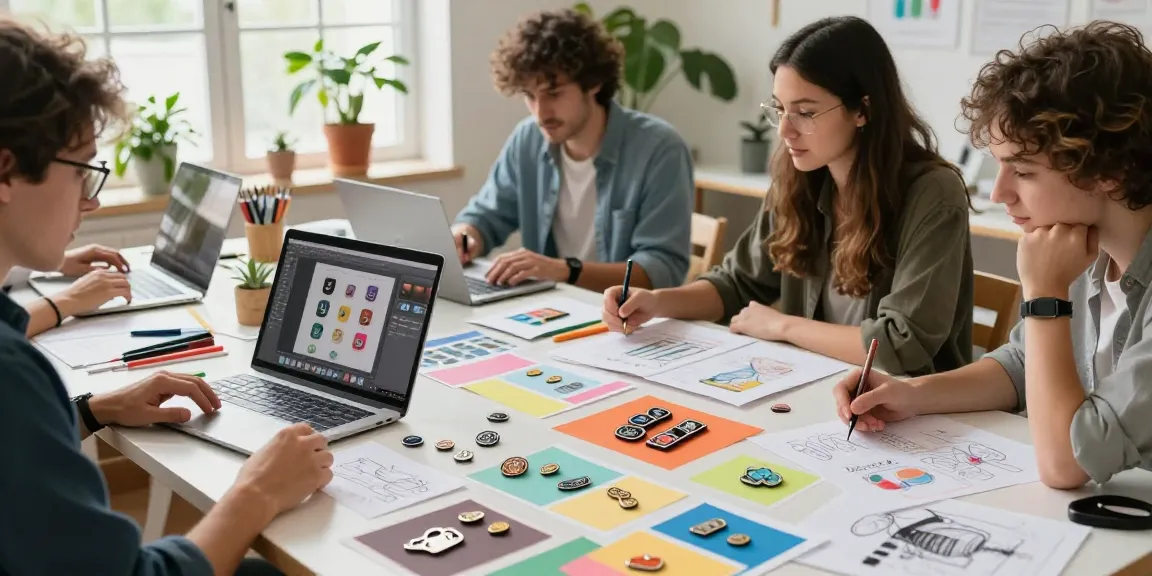
Custom pins are personalized badges made from various materials, including metal, acrylic, and others. They can be designed in countless shapes, sizes, and colors, allowing for significant creativity in their usage. Whether they’re used for corporate branding, special events, or personal expression, custom pins act as tangible representations of a message or identity.
Types of Custom Pins Available
Several types of custom pins cater to different needs and preferences. Here are some common categories:
- Enamel Pins: These are popular among collectors and are known for their vibrant colors and intricate designs. They come in soft and hard enamel variants.
- Button Pins: Lightweight and cost-effective, button pins are easy to distribute and can feature any design, making them great for campaigns and events.
- Acrylic Pins: These pins are made from transparent materials and can be customized in various shapes. They are lightweight and can be designed to include graphics or text.
- Metal Pins: Durable and classic, metal pins often feature intricate designs and are ideal for official uses, such as membership badges or awards.
Applications of Custom Pins in Different Industries
Custom pins can serve various purposes across different sectors. Here are some notable applications:
- Corporate Events: Companies often use custom pins as promotional items during events, helping to enhance brand visibility.
- Non-Profits and Charities: Organizations utilize custom pins to spread awareness about causes, encourage donations, and recognize volunteers.
- Education: Schools and universities often issue custom pins to commemorate achievements, such as graduation or participation in clubs.
- Fashion and Personal Expression: Many use custom pins as fashion accessories, allowing individuals to express their unique styles and affiliations.
Designing Custom Pins: Best Practices
Creating an eye-catching custom pin requires careful consideration of multiple factors. Understanding best practices in design can significantly enhance the final product’s effectiveness. Here’s what you need to know:
Choosing the Right Materials for Custom Pins
The material you choose for your custom pins greatly impacts their durability and aesthetic. Options include:
- Metal: Provides a premium feel and is highly durable.
- Acrylic: Offers vibrant colors and can be molded into unique shapes.
- Wood: Creates a natural look and is often used for eco-friendly designs.
Assess your target audience and the intended use of the pins to make the best choice.
Design Tips for Eye-Catching Custom Pins
To create an impactful design, consider these tips:
- Simplicity: Keep the design clear and straightforward, as overly complex designs may lose detail when scaled down.
- Color Contrast: Utilize contrasting colors to make your pin stand out and enhance legibility.
- Unique Shapes: Explore unconventional shapes that reflect your brand or message, making your pin memorable.
Common Design Mistakes to Avoid
While designing custom pins, be aware of the following pitfalls:
- Overcomplicated Designs: Too many details can be visually overwhelming.
- Neglecting Functionality: Ensure that the design does not interfere with the pin’s functionality, such as the clasp mechanism.
- Ignoring Feedback: Always seek feedback on your designs from target audiences before finalizing.
Manufacturing Custom Pins: Processes and Options
Understanding the manufacturing process is crucial for producing high-quality custom pins. Here’s an overview of how they are made and the options available:
How Custom Pins are Made: An Overview
The production of custom pins generally involves several steps, including design, prototyping, production, and quality assurance. After finalizing a design, manufacturers create molds, followed by the production of pins using the chosen materials. Post-production, quality checks are essential to ensure that every pin meets the required standards.
Choosing a Production Method: Pros and Cons
There are various production methods to consider, including:
- Die Striking: Produces high-quality, durable pins but can be more expensive.
- Soft Enamel: Offers vibrant colors at a lower cost, suitable for detailed designs.
- Offset Printing: Allows for highly detailed images but may not be as durable.
Select the method that aligns with your budget and quality expectations.
Quality Control in Custom Pin Manufacturing
Maintaining quality throughout the manufacturing process is vital. Implementing strict quality control measures helps ensure that finished pins are free of defects and meet design specifications. Regular inspections at various production stages, from materials sourcing to final product checks, can help uphold high standards.
Marketing Your Custom Pins: Strategies for Success
With an abundance of options available, effectively marketing your custom pins is essential for standing out in the competitive landscape. Here are some successful strategies to consider:
Effective Ways to Promote Custom Pins Online
Digital marketing is crucial for reaching broader audiences. Utilize social media platforms, create engaging content, and invest in targeted ads to drive interest in your custom pins.
Utilizing Social Media for Custom Pin Sales
Social media serves as an excellent channel for showcasing your products. Create visually appealing posts, involve your community by encouraging user-generated content, and engage with followers through polls or giveaways.
Collaborating with Influencers and Artists
Partnering with influencers can significantly expand your reach. Choose personalities aligned with your brand values to promote your custom pins authentically to their audiences.
The Future of Custom Pins: Trends for 2026 and Beyond
As we look toward the future, several trends are shaping the custom pin landscape. Being aware of these trends can help businesses stay ahead:
Emerging Trends in Custom Pin Designs
Expect to see an increase in personalized designs that cater to individual styles and preferences. More brands are focusing on unique, limited-edition pins to entice collectors.
The Role of Sustainability in Custom Merchandise
With growing environmental awareness, companies are expected to increasingly adopt sustainable practices in their manufacturing processes. Materials such as recycled metals and eco-friendly packaging are becoming more prevalent.
Technological Innovations Impacting the Custom Pin Industry
Advancements in printing technology and design software are making it easier to create complex designs with precision. Automation in manufacturing is also helping to reduce production costs while maintaining quality.
What are the different types of custom pins?
There are several types of custom pins including enamel pins, button pins, and acrylic pins, each catering to different aesthetics and uses.
How can I effectively market my custom pins?
Utilizing social media, collaborating with influencers, and creating engaging online content are effective strategies for marketing your custom pins.
What materials are best for custom pins?
Common materials include metal for durability, acrylic for vibrant color, and wood for a natural aesthetic, with choices depending on the intended use.
What are common uses for custom pins in businesses?
Custom pins are often used for branding, employee recognition, and promotional giveaways, enhancing visibility and building community.
What trends should I expect for custom pins in 2026?
Anticipate a rise in personalized designs, sustainable practices, and technological innovations shaping the custom pin industry.




More Stories
Steroide Boutique Decoded: Making Sense of Safe Online Steroid Purchases in 2026
Maximize Your Sales: Proven Strategies for Ecommerce Success
Stof kopen per meter: Tips voor de beste keuze en aankoop