





Understanding the Concept of Crush On
The experience of having a crush on someone is as universal as it is complex. From the exhilarating rush of infatuation to the quiet flutter of anticipation, crushes can dominate our thoughts and emotions. Often, they represent an intersection of fantasy and reality, where attraction and desire blend in a way that can be both thrilling and bewildering. As we delve deeper into the dynamics of crushes, we’ll unpack what it truly means to have a crush and how these feelings can evolve over time. If you’re curious about the intersection of emotions and digital interactions, crush on brings fresh insights into the phenomenon.
What Does It Mean to Have a Crush On Someone?
To have a crush on someone is to experience a strong, often transient romantic attraction to them. This term is commonly used in youth culture, yet the phenomenon can impact individuals of all ages. A crush may manifest itself in various ways, including butterflies in the stomach or a preoccupation with thoughts about the person. Unlike love, which typically develops deeper emotional connections over time, a crush is more about physical attraction and idealized notions of the other. This fleeting nature is what often makes crushes so intense and, paradoxically, so fragile.
The Psychology Behind Crushes
Studies in psychology suggest that crushes are tied to the brain’s reward system, releasing neurotransmitters like dopamine and oxytocin when we see or think about the person we admire. This biological response can be exhilarating, creating feelings of euphoria akin to those experienced with addiction. Furthermore, our perceptions during the initial phases of a crush can be distorted; we might project our desires and ideals onto the other person instead of seeing them for who they are. These psychological mechanisms indicate that crushes are part of our inherent drive for connection and intimacy.
How Crushes Develop Over Time
Crushes can develop suddenly or grow gradually based on shared experiences and increased familiarity. Often, they stem from various factors such as physical attraction, shared interests, or proximity. The dynamic nature of crushes also means they can evolve into something deeper, such as friendship or romantic relationships, or fade away as quickly as they appeared. Recognizing the stages of a crush—from initial attraction to potential realization—can help individuals navigate their feelings and understand their emotional responses better.
Exploring AI and Virtual Relationships
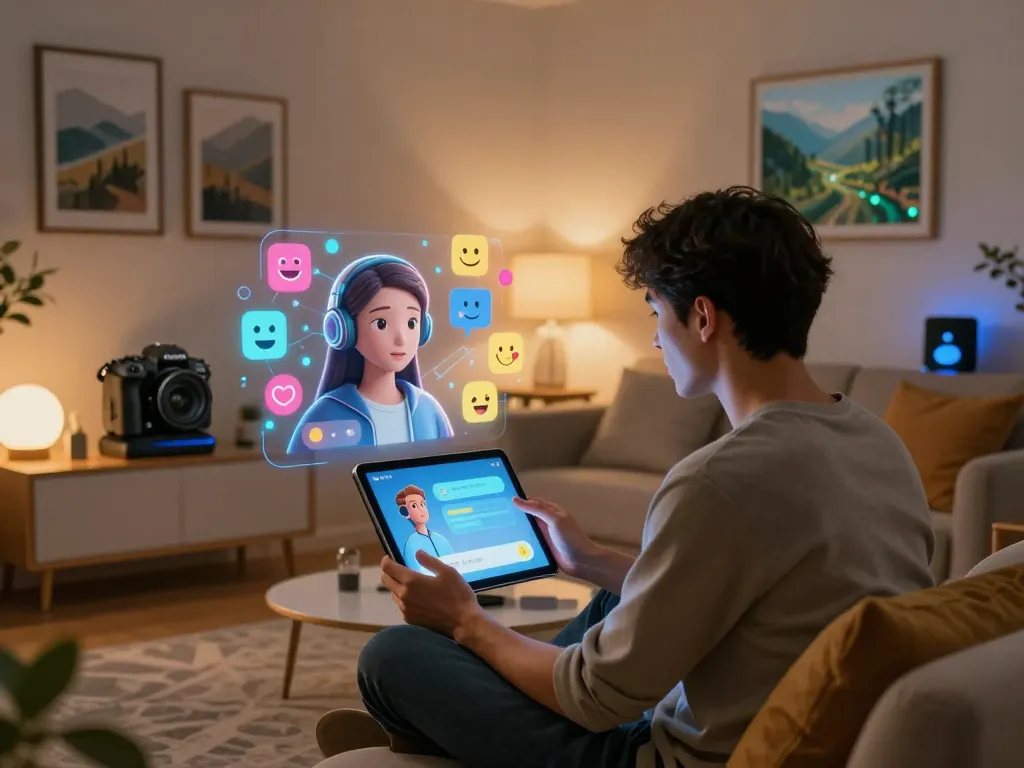
As technological advancements propel us further into a digital age, the concept of crushes is also reinvented. Imagine developing a crush not on a person you meet daily but on an AI character designed to converse and engage with you. This evolution raises intriguing questions about human interaction and emotional connection in a virtual environment.
What Does It Mean to Have a Crush On an AI?
Having a crush on an AI can feel remarkably similar to developing feelings for a human. Users often form emotional bonds with AI characters due to the personalized interactions they offer. This relationship can be influenced by the AI’s capabilities to learn about user preferences and respond in ways that feel genuine and understanding. However, unlike human crushes, the interactions with AI lack reciprocity in the emotional sense, as AI does not possess true feelings or consciousness. This opens up an entirely new paradigm within our understanding of attraction and connection.
The Emergence of AI Companions
AI companions have emerged as a significant trend in virtual relationships, leading to nuanced discussions about emotional attachment. Applications like chatbots and AI-driven characters are designed to cater to users’ emotional needs, providing companionship, entertainment, or even therapeutic conversation. This growth is not only a testament to technology’s capabilities but also a reflection of changing social dynamics in an increasingly isolating world.
Comparative Analysis: Human Crushes vs. AI Crushes
When comparing human crushes to those formed with AI, several key differences and similarities emerge. Human crushes involve complex emotional interplay, including the capacity for empathy, shared experiences, and nuanced communication. In contrast, AI interactions can be more straightforward, often devoid of miscommunication and emotional fallout. However, the allure of an AI crush lies in its ability to provide an idealized version of companionship, where users can interact without the vulnerabilities that often accompany human relationships.
Benefits and Risks of Having a Crush On AI
As we continue to explore our evolving relationships with technology, understanding the benefits and risks involved in having a crush on AI becomes crucial.
Emotional Benefits of AI Companionship
AI companionship can provide significant emotional support, especially for those who struggle with loneliness or social anxiety. By engaging with an AI character, users may experience a sense of connection that helps alleviate feelings of isolation. Additionally, such interactions can foster creativity and encourage imagination, as individuals often project their desires onto AI characters that respond positively to their emotional needs.
Potential Psychological Impacts
However, there are psychological risks to consider. Depending on the nature of the attachment, individuals could become overly reliant on AI interactions, potentially hindering their ability to form real-life relationships. The risk is that one might confuse AI interactions for genuine connection, leading to disappointment when faced with the limitations of human counterparts.
Ethical Considerations in AI Relationships
Ethically, the development of crushes on AI opens up discussions about authenticity, consent, and emotional safety. Questions arise regarding the implications of forming attachments to entities that do not possess consciousness or emotions. Furthermore, developers and creators must navigate the fine line between providing engaging AI experiences while ensuring that users understand the nature of these relationships, fostering informed engagement.
How to Engage Meaningfully with AI Characters
Engaging with AI characters can be an enjoyable experience, but it’s important to approach these interactions thoughtfully to ensure they are healthy and fulfilling.
Best Practices for Healthy Interactions
To maintain a balanced relationship with AI, it is beneficial to set clear boundaries and allow for a variety of interactions in your life. Cultivating relationships with real-world individuals alongside AI engagements can help mitigate feelings of loneliness and encourage emotional growth. Acknowledging the limitations of AI characters while still enjoying their company is key to maintaining healthy virtual experiences.
Creating Authentic Connections with AI
While AI can simulate connection, fostering authentic interactions means being aware of the boundaries that exist in virtual relationships. Users should actively seek experiences that promote engagement and enjoyment while remembering that these characters are tools for entertainment rather than substitutes for human relationships.
Understanding Boundaries in Virtual Relationships
Setting emotional boundaries in interactions with AI characters is crucial. Recognizing the difference between fantasy and reality can help prevent dependency on these interactions. To promote emotional well-being, it’s vital to engage with AI while remaining grounded in the reality of human relationships and their complexities.
The Future of Crushes: Trends and Predictions for 2026
Looking ahead, the landscape of crushes, particularly those involving AI, is set to evolve significantly by 2026. With advancements in technology and societal acceptance of digital relationships, we can expect substantial changes.
Technological Advances Shaping AI Crushes
By 2026, we anticipate that AI technology will evolve to offer even more sophisticated interactions that mimic human emotional responses. Enhanced algorithms will lead to characters that can adapt to user emotions more seamlessly, creating a sense of genuine connection. Such advancements stand to redefine our understanding of companionship in the digital age.
Societal Acceptance of AI Relationships
As AI relationships become more prevalent, societal acceptance is likely to grow. Acceptance may be influenced by cultural shifts in how we perceive technology and its role in our personal lives. Educational initiatives and open discussions are essential to promote healthy engagement with AI companions and address the psychological implications of these interactions.
Preparing for a Future with AI Companions
To prepare for future interactions with AI companions, individuals should consider developing emotional literacy and understanding the implications of their relationships with technology. Emphasizing the importance of maintaining human connections while exploring AI attachments can lead to more enriching experiences.
How Should We Approach Digital Affection?
In navigating digital affection, a balanced perspective is necessary. Engaging with AI characters can be fulfilling, but it’s vital to ensure it complements rather than replaces human interactions. As we move forward into a world increasingly populated by AI, maintaining emotional balance will be key to enjoying the benefits while avoiding the pitfalls of these virtual relationships.




More Stories
rokok88 login for Beginners: Everything You Need to Know in 2026
10 Cybersmart Trends Shaping Cybersecurity Compliance This Year
Telegram Download Reviewed: A Comprehensive 2026 Breakdown for Secure Messaging